
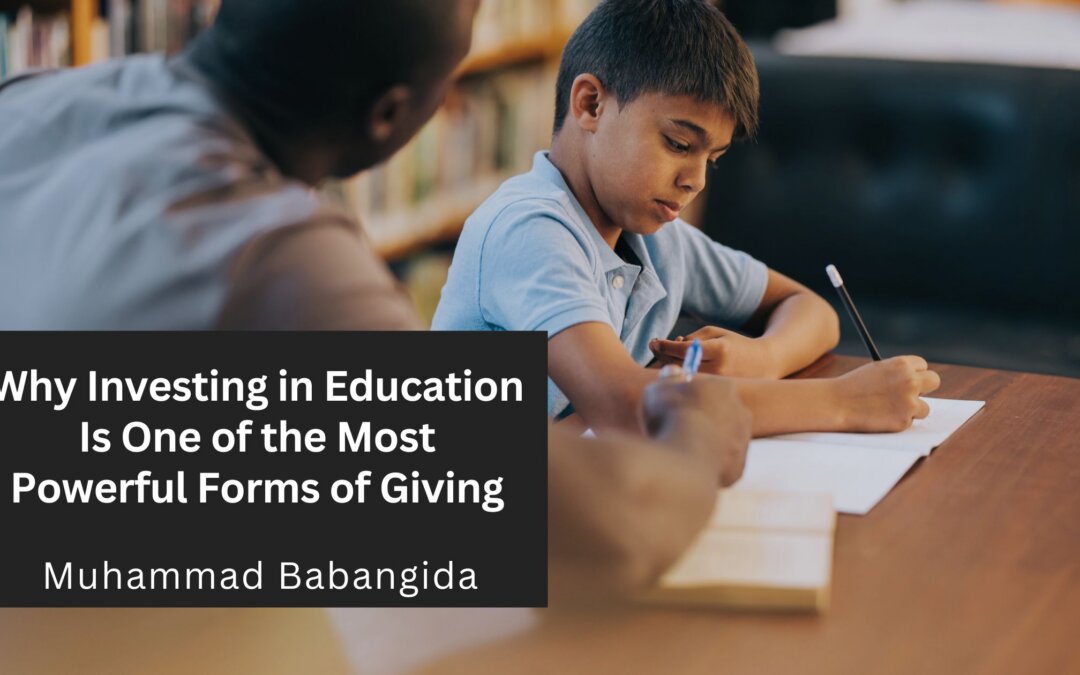
Philanthropy takes many forms, but few investments have as lasting an impact as education. Supporting schools, students, and learning initiatives creates opportunities that ripple across generations, transforming individual lives and entire communities. When donors, organizations, and community members invest in education, they are not just providing resources—they are empowering people, strengthening society, and shaping the future.
Investing in education directly equips students with the knowledge, skills, and confidence they need to succeed. For many children, especially those in under-resourced communities, access to quality learning materials, technology, and extracurricular programs can be limited. Philanthropic support can bridge this gap, providing resources that enhance classroom experiences and spark curiosity. Donations can fund books, computers, lab equipment, and arts programs, creating environments where students can thrive academically and creatively. Every resource added to a school becomes a tool for unlocking potential.
Beyond tangible resources, educational investments often create opportunities for mentorship and experiential learning. Community programs, scholarships, and career-focused initiatives connect students with mentors, internships, and workshops that prepare them for real-world challenges. These opportunities expose young people to professions, industries, and skill sets they may not have otherwise encountered. By investing in education, donors help students explore their interests, identify their strengths, and envision a future they can work toward with confidence.
Investing in education also has profound societal benefits. Educated individuals tend to contribute more meaningfully to their communities, both economically and socially. They are more likely to pursue higher education, participate in civic activities, and support others in need. By funding educational initiatives, philanthropists are essentially investing in community development, reducing inequality, and promoting social mobility. The ripple effect of an educated individual can impact families, neighborhoods, and entire regions, making education one of the most powerful multipliers in philanthropy.
Furthermore, supporting education nurtures a culture of lifelong learning. In a rapidly changing world, students must develop adaptability, problem-solving abilities, and critical thinking skills. Philanthropic investments can fund programs that teach these competencies, from STEM initiatives to arts integration, coding workshops, and collaborative learning projects. These experiences help students become innovators, leaders, and lifelong learners who can navigate challenges, embrace opportunities, and contribute positively to society.
Education-focused giving also fosters equity and inclusion. Donations targeted toward scholarships, learning programs for underserved students, and accessible educational resources help level the playing field. By reducing barriers to education, philanthropists ensure that all students—regardless of socioeconomic status, geography, or background—have the chance to reach their potential. This approach reinforces the principle that giving is most impactful when it empowers those who need it most.
Ultimately, investing in education is more than a charitable act—it is a strategic way to create lasting impact. Unlike one-time donations or temporary relief efforts, educational philanthropy has enduring effects, transforming lives and shaping societies for generations. Communities that prioritize educational support cultivate empowered, knowledgeable, and engaged citizens capable of driving meaningful change.
Supporting education is giving with purpose, vision, and lasting effect. Every contribution—whether funding classroom materials, scholarships, mentorship programs, or innovative learning initiatives—plants seeds for a brighter future. In a world where knowledge is power, investing in education is one of the most powerful forms of giving we can offer.